The Definitive Guide to Roof Maintenance: Insights From Roofing Specialists
Roof maintenance is often overlooked yet vital for preserving a home's integrity. Neglect can lead to serious issues, including leaks and structural damage. This guide provides essential insights from roofing experts. It addresses assessment methods, frequent issues, and weather-related maintenance strategies. Property owners will discover actionable tips for self-directed upkeep and recognize when expert assistance is necessary. Recognizing these critical components can avert significant repair costs, but what targeted measures should be addressed initially?
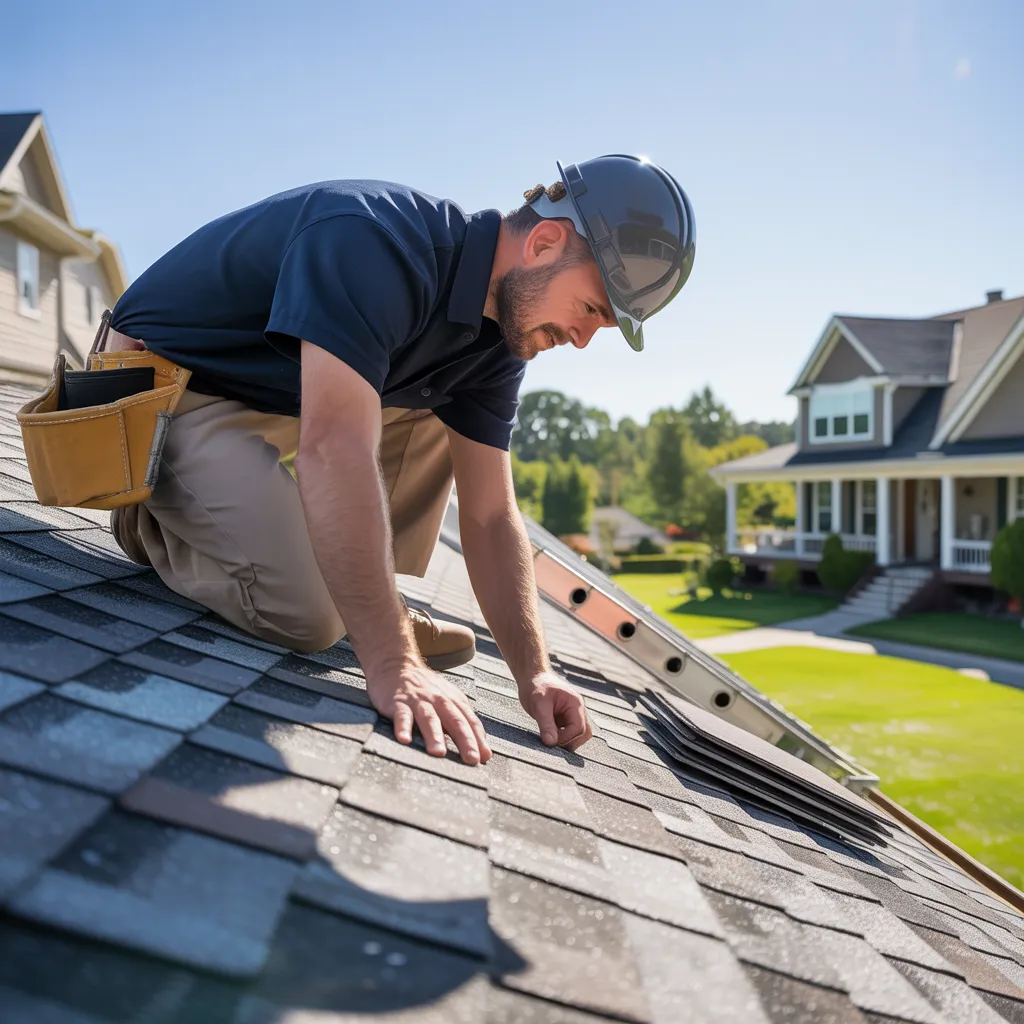
Grasping the Value of Roof Maintenance
Frequently underestimated, the significance of roof maintenance is absolutely critical. A properly maintained roof plays an essential role in protecting a home from the elements, ensuring structural integrity and prolonging its lifespan. Consistent maintenance allows homeowners to detect potential issues before they escalate into costly repairs, safeguarding both the home and its occupants.
Failing to maintain your roof can cause leaks, mold accumulation, and deteriorating insulation, ultimately affecting both energy performance and indoor air quality. Additionally, a deteriorating roof can lower the value of your property, making it harder to sell in the future. Routine seasonal checkups and swift repairs can reduce these potential problems, providing homeowners with peace of mind.
Important Roofing Inspection Advice for Households
Regular roof inspections are essential for maintaining the integrity of a home. Homeowners should conduct inspections at least twice a year, ideally in spring and fall, to assess their roof's condition. It is important to look for debris buildup, which can retain moisture and encourage mold development. Additionally, homeowners should look for damaged or missing shingles, as these can lead to leaks.
Utilizing binoculars from street level makes it easier to detect potential issues without climbing onto the roof. Examining gutters for obstructions is equally essential, as obstructed gutters may lead to water accumulation that harms roofing materials. Observing any unusual granule loss from shingles is a key factor to evaluate, as this can suggest ongoing degradation. Lastly, property owners should record their observations for later review, ensuring they stay informed about their roof's health and tackle any problems without delay.
Recognizing Typical Roofing Issues
Recognizing typical roofing issues is vital for keeping a home in optimal condition. Homeowners ought to stay alert for evidence of leaks and water infiltration, as well as lost or compromised shingles, which can undermine the roof's performance. Moreover, the appearance of moss and algae can signal deeper problems that require immediate attention.
Leaks and Water Damage
How can homeowners successfully detect leaks and water damage before they turn into significant concerns? Routine inspections are essential. Homeowners should check for water stains on ceilings and walls, as these often indicate hidden leaks. Furthermore, wet spots in the attic or near vents may indicate moisture penetration. It's crucial to examine the roof during and after heavy rain, looking for pooling water or dripping. Homeowners should also inspect gutters and downspouts, ensuring they are clear to avoid overflow. Within the home, stale or musty smells may indicate mold development, a result of extended moisture exposure. By responding to these warning signs in a timely manner, homeowners can steer clear of costly repairs and copyright the structural integrity of their roofs. Consistent maintenance is fundamental for sustained, long-term protection.
Absent or Compromised Shingles
Water damage is frequently caused by missing or damaged shingles, which weaken the roof's defensive layer. Homeowners should regularly inspect their roofs for signs of shingle deterioration, such as curling, cracking, or loss of granules. These conditions can stem from age, severe weather, or improper installation. If shingles are missing, the underlying material becomes exposed, raising the likelihood of leaks and additional deterioration. It is advisable to address these problems promptly to copyright the roof's protective function. New shingles ought to correspond with the current ones to ensure consistency and performance. Regular maintenance, including cleaning gutters and removing debris, can also help prevent shingle damage and prolong the life of the roof.
Moss and Algae Development
Moss and algae growth can silently undermine a roof's integrity, causing serious issues when left untreated. These organisms thrive in damp, shaded areas and have the ability to hold moisture against roofing components. As time passes, this may lead to wood decay, deteriorating shingles, and eventual leaks. Property owners ought to routinely examine their roofs, particularly in shaded areas, to detect early indicators of growth. Implementing preventive measures, such as trimming overhanging branches and ensuring adequate roof ventilation, can reduce the likelihood of moss and algae development. When dealing with existing growth, specialized treatments or professional assistance may be needed to rehabilitate the roof's state. Tackling moss and algae issues in a timely manner helps preserve the roof's longevity and the property's overall value.
Roof Care Tips for Every Season
As seasonal shifts occur, homeowners should focus on roofing maintenance to ensure lasting performance and reliability. In spring, it is important to inspect for damage from winter storms and clean up debris that has built up. This involves examining gutters and drainage systems to ensure adequate drainage.
Summer brings intense heat, so inspecting for cracks and evaluating ventilation is vital to prevent heat buildup. During the fall season, homeowners should prepare for falling leaves by clearing gutters and checking for possible obstructions.
Lastly, the winter season demands a thorough examination for ice dams and ensuring that insulation is adequate to prevent heat loss. Regular checks throughout the year will help identify issues early, lowering the likelihood of expensive fixes. By implementing these seasonal recommendations, residents can copyright the integrity of their roofs and prolong their durability.
DIY Roof Maintenance: Safe Practices and Tools
Caring for a roof can be a rewarding DIY undertaking when tackled with the proper tools and safety precautions. Property owners should first prepare themselves with vital gear, including a reliable ladder, slip-resistant shoes, and a safety harness. This secures balance and reduces the chance of falls while completing tasks at height.
Before beginning any repair work, a comprehensive inspection is necessary. This includes checking for damaged shingles, debris accumulation, and any signs of wear. Items such as a roof rake, soft-bristle brush, and caulk gun are beneficial for removing debris and filling gaps.
Additionally, collaborating with a companion can improve personal safety; one person can focus on the task while the other monitors for hazards. To conclude, it is essential to keep track of the weather, refraining from performing maintenance in rainy or windy conditions. By sticking to these recommended safety steps, property owners can keep their roofs in good condition while reducing potential hazards.
Warning Signs You Need to Hire a Professional Roofer?
At what point should a homeowner think about bringing in a professional roofer? There are a number of signs that suggest professional expertise is needed. First, visible damage such as missing shingles, leaks, or sagging areas can compromise the roof's integrity. It is also important for homeowners to watch for water stains on ceilings or walls, as these can point to deeper underlying problems. In addition, when a roof exceeds 20 years of age, scheduling a detailed assessment with a professional roofer is highly advisable.
Another critical indicator is the presence of mold and moss accumulation, which can result in further damage if not remedied. Ultimately, if a homeowner feels uncertain about safely conducting repairs or does not have the required equipment, consulting a professional is recommended. Identifying these indicators promptly can stop additional damage and high-cost repairs down the line, ensuring the longevity of the roof and the safety of the home.
Financial Planning for Roof Maintenance and Repairs
Proper budget management for roof maintenance and repairs is vital for homeowners seeking to preserve their investment. Allocating a dedicated percentage of a home's value annually—usually around 1-3%—helps build a steady fund for unanticipated concerns. Routine inspections can detect small issues before they escalate, study frequently avoiding expensive repairs down the road. Homeowners ought to factor in seasonal variations, as particular climates might necessitate more consistent maintenance.
Furthermore, creating a structured list of anticipated repair work supports smarter financial planning. Homeowners should secure a number of quotes from licensed roofing professionals to learn about current pricing for various services. Homeowners need to keep in mind the current age of the roof; older roofs may need more frequent attention. To conclude, maintaining an emergency fund for urgent repairs ensures that roofing issues can be handled in a timely manner, preventing further damage and preserving the home's structural integrity. Sound financial preparation can considerably ease financial worry and improve a homeowner's sense of security.
Popular Questions We Receive
How Regularly Should I Plan Professional Roof Inspections?
Industry specialists advise scheduling roof inspections at least twice a year, preferably during the spring and autumn months. This forward-thinking method enables the timely discovery of developing concerns, keeping the roof in optimal shape while extending its overall longevity.
What Materials Are Best for Roof Repairs?
Metal sheets, asphalt shingles, and rubber membranes are considered the best materials for roof repairs. Each material delivers durability and resistance to weather, ensuring effective restoration and longevity, according to the specific roofing demands and surrounding environmental factors.
Can I Paint My Roof?
Yes, roofs can be painted, but it's crucial to use suitable paint designed for the roof material. Proper surface preparation and following the manufacturer's instructions guarantee long-lasting effectiveness in protecting the roof's integrity.
How Does Weather Affect Your Roof Maintenance Needs?
Climatic conditions have a major influence on roof maintenance. Abundant precipitation may result in water leaks, while intense sun may degrade materials. The buildup of snow creates structural hazards, necessitating regular inspections and timely repairs to ensure the roof's durability and performance.
What Warranties Are Available for Roofing Materials?
Various warranties for roofing materials include manufacturer-provided warranties, which generally address material defects, and installation warranties, guaranteeing quality installation. Coverage and duration differ based on material type, often ranging from 20 years to a lifetime, based on specific conditions.
Comments on “Quality Pace Roofing Services for Maintenance”